Flight Training Programs

Every level. Every goal. One flight school.

Where to Begin

A Training Path for Every Pilot

Whether you're completely new to aviation or a licensed pilot building on existing ratings, Coast Aero Ventures offers structured programs with experienced CFI instruction, modern glass-cockpit aircraft, and a learning environment tailored to your goals and schedule.

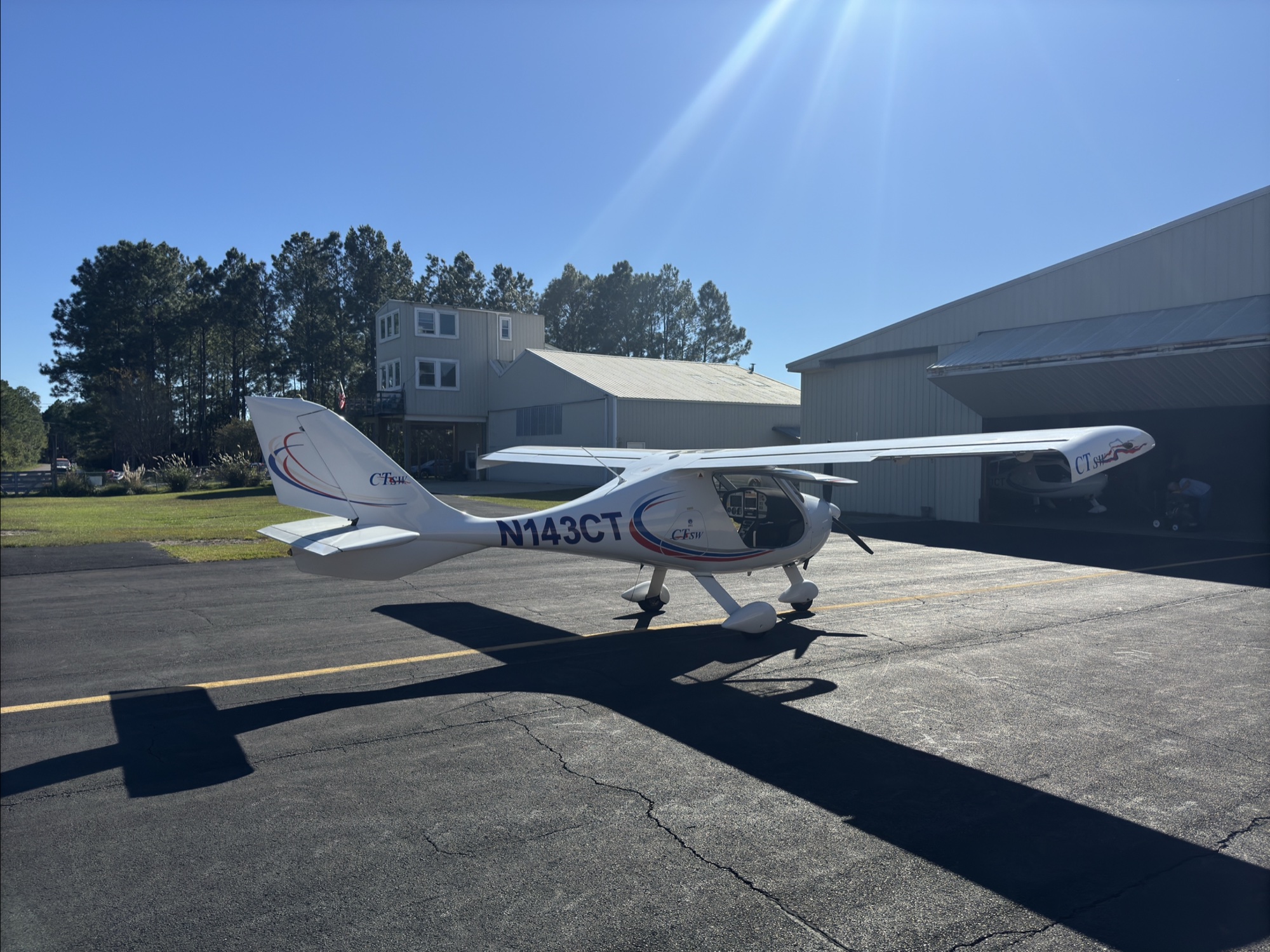
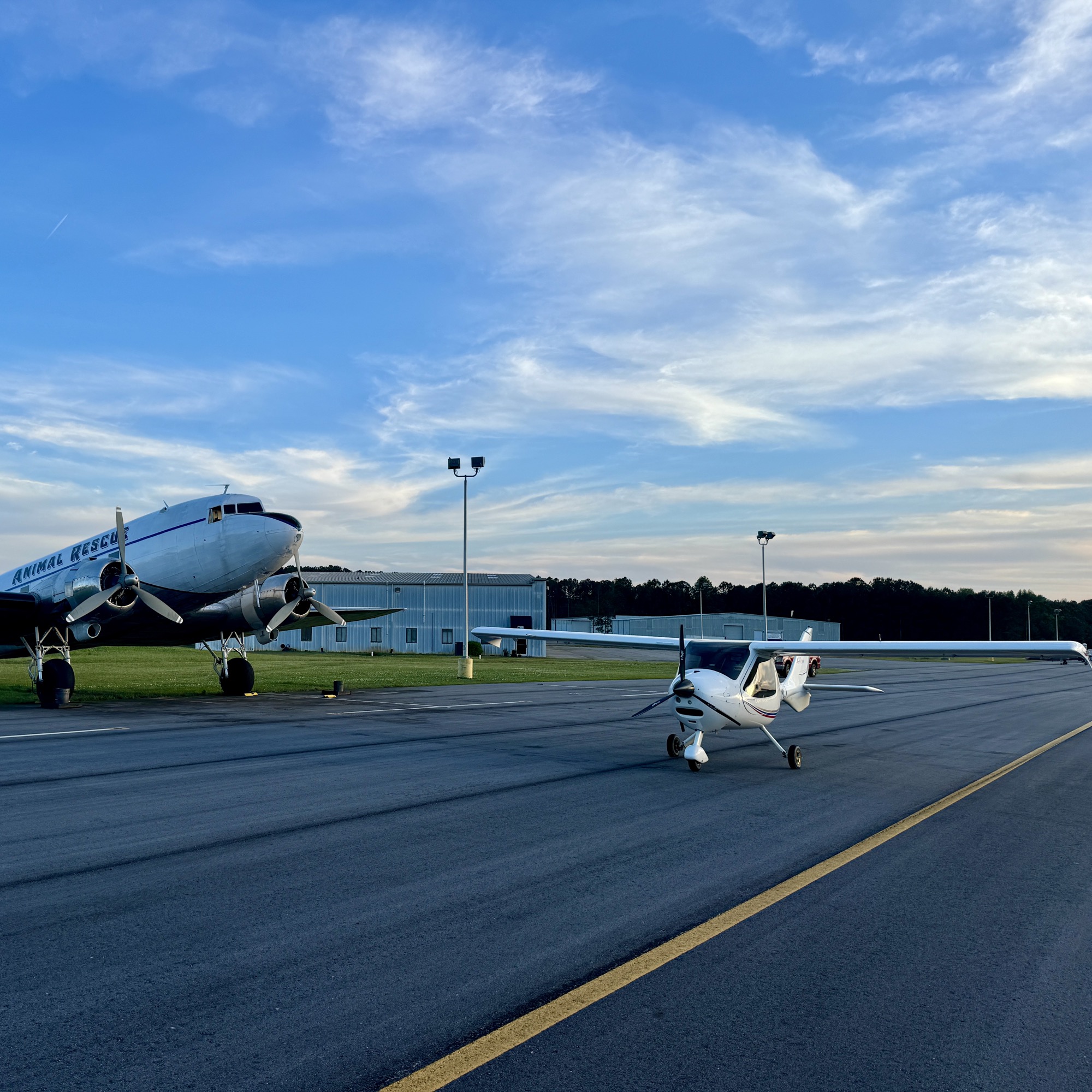
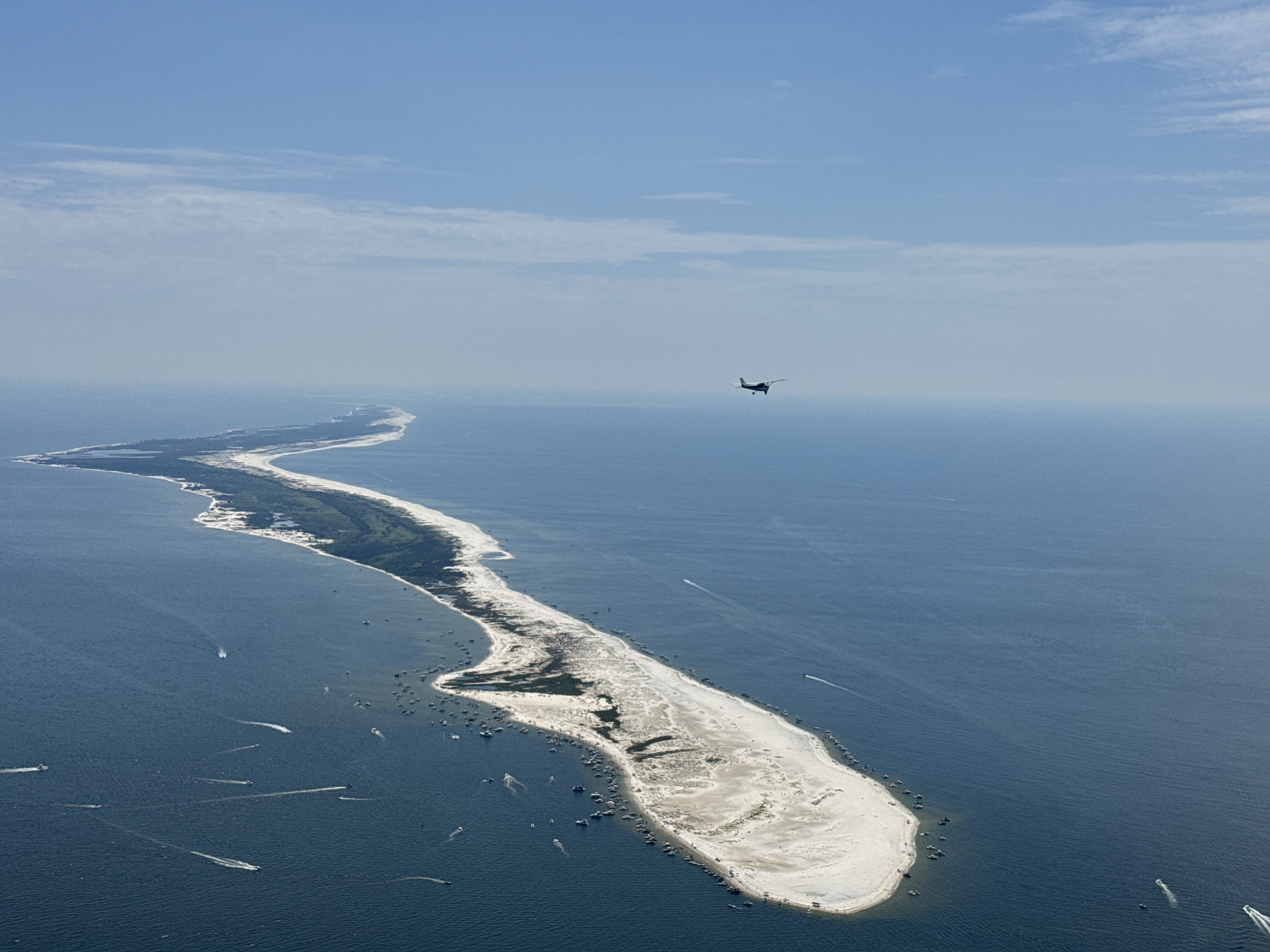
All training is conducted at Ocean Springs Airport (5R2) and surrounding Gulf Coast airspace. We train 365 days per year, weather permitting.

Start Here

Discovery / Intro Flight

The discovery flight is the perfect first step — no commitment, no experience required, just you, your instructor, and the Gulf Coast from above. You'll take the controls yourself with full CFI guidance from takeoff to landing.

It's also a great gift for any aviation enthusiast. And if you decide to continue training, the time from your discovery flight applies directly toward your Sport or Private Pilot certificate.

Approximately 1 hour in the air
Experienced CFI guides you every step
You take the controls — really fly!
No prior experience needed
Time counts toward future training
Makes a perfect gift
Book a Discovery Flight Download: Learn to Fly Guide (Gleim)
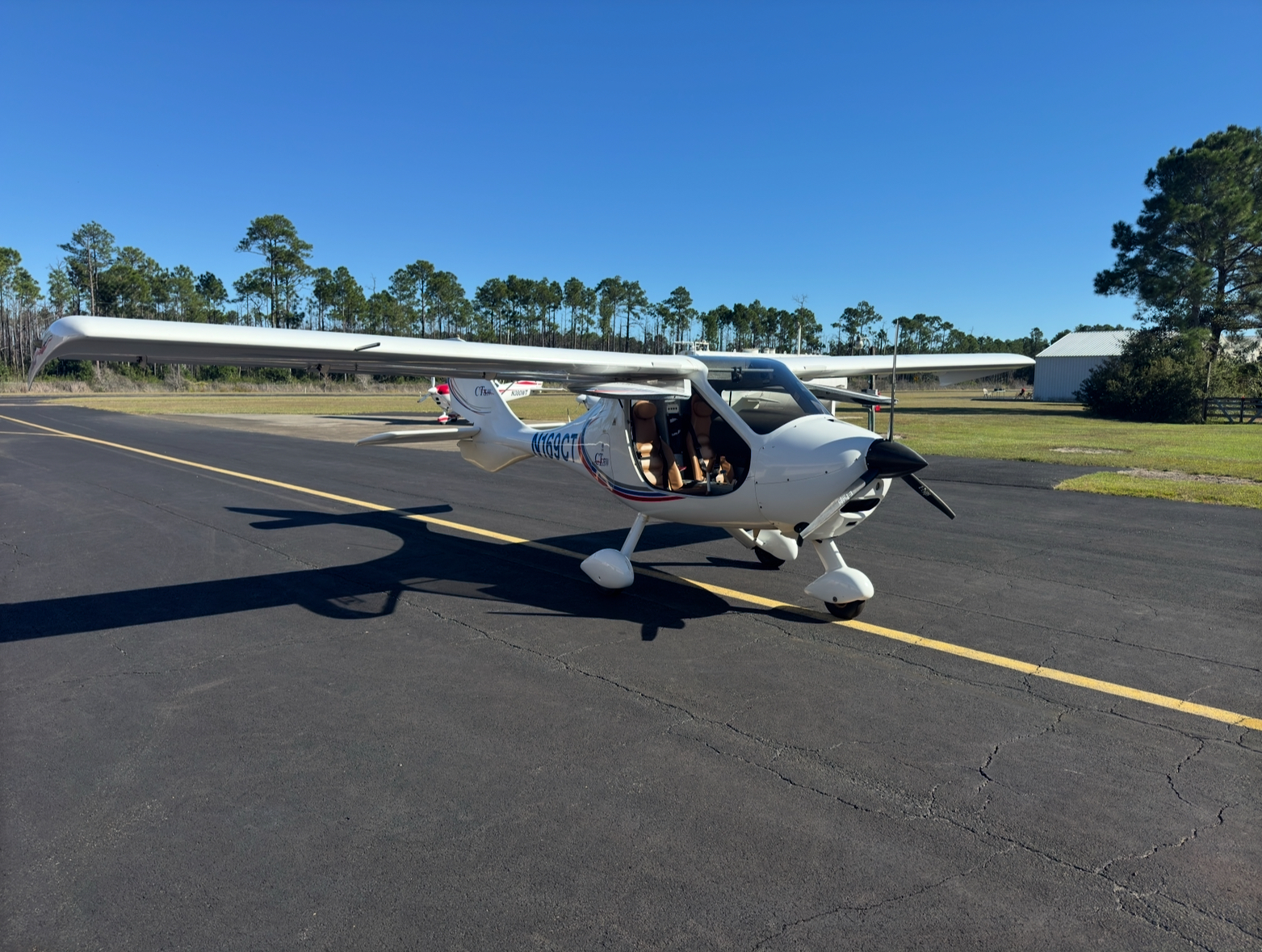
Discovery Flight at Coast Aero Ventures

Certificate Program

Sport Pilot Certificate

The Sport Pilot certificate is the most efficient path to becoming a licensed pilot. With fewer requirements and lower costs, it's ideal if you want to fly Light Sport Aircraft for personal recreation and transportation.

No FAA medical certificate required — a valid driver's license serves as your medical. You'll fly our entire LSA fleet and enjoy real cross-country flying privileges during daylight hours.

Estimated Cost Breakdown

30 hrs dual instruction (CFI + aircraft) $6,300
5 hrs solo flight (aircraft only) $750
15 hrs ground instruction $900
Written exam fee $175
Practical exam (checkride) $1,000
Study materials ~$245
Estimated Total ~$9,370

FAA minimum: 20 hours · Realistic average: 35 hours. Actual cost varies by individual pace.

Start Sport Pilot Training
Sport Pilot Training

Most Popular

Private Pilot Certificate

The Private Pilot certificate is the gold standard of recreational aviation. It opens up cross-country travel, night flying, passenger carrying, and allows you to fly a wide range of single-engine aircraft across the country.

Training covers navigation, weather interpretation, emergency procedures, radio communications, and the airspace system. You'll emerge as a capable, confident, and safe pilot ready for real-world flying.

Estimated Cost Breakdown

40 hrs dual instruction (CFI + aircraft) $8,400
20 hrs solo flight (aircraft only) $3,000
Ground school course $350
FAA medical exam (3rd class) $200
Written exam fee $175
Practical exam (checkride) $1,000
Study materials & charts ~$300
Estimated Total ~$13,425

FAA minimum: 40 hours · FAA national average: 55–65 hours · Budget ~$800–$1,000/month

Enroll in Private Pilot
Private Pilot Training

Advanced Rating

Instrument Rating

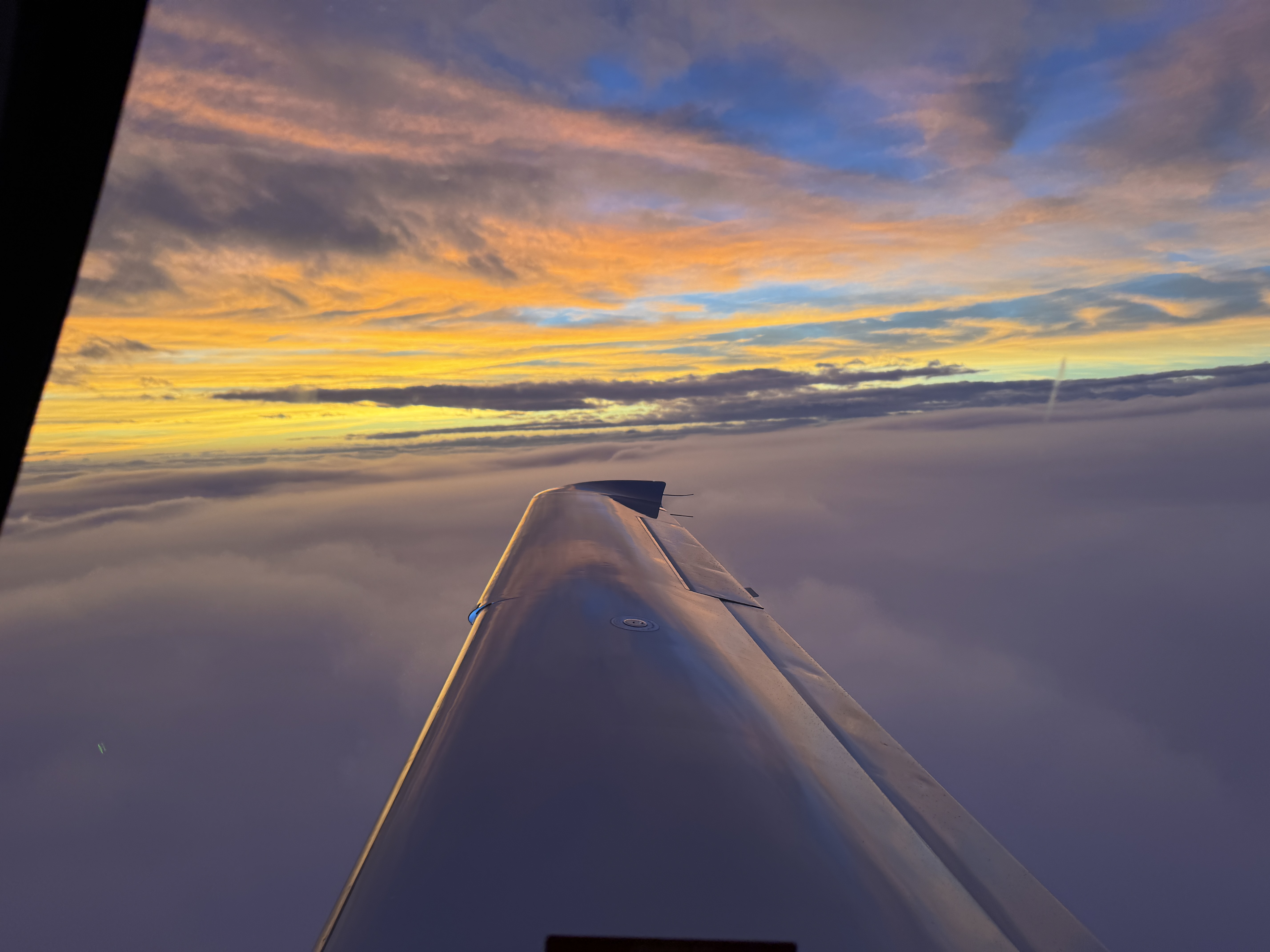
The Instrument Rating dramatically expands when and where you can fly. You'll learn to navigate safely through clouds, low visibility, and instrument meteorological conditions (IMC) using your aircraft's instruments alone.

Our glass-cockpit fleet gives you a significant training advantage. Garmin's synthetic vision, GPS navigation, and autopilot interfaces mirror what you'll find in high-end aircraft — training that directly translates to real-world proficiency.

The Gulf Coast environment provides diverse weather patterns ideal for IFR practice — coastal fog, convective activity, and varied ceiling/visibility conditions throughout the year.

40 hours IFR flight time required
Glass cockpit / Garmin avionics proficiency
Gulf Coast IFR practice environment
Prerequisite: Private Pilot Certificate
Ask About Instrument Training
Instrument Rating Training

Career Path

Commercial Pilot Certificate

Turn your passion for aviation into a profession. The Commercial Pilot certificate allows you to be compensated for flying — opening the door to charter operations, aerial work, flight instruction, and eventually airline careers.

The Commercial certificate focuses on precise aircraft control, complex maneuvers, emergency procedures, and the judgment required of a professional pilot. It requires 250 total flight hours and builds on your Private and Instrument training.

250 hours total flight time required
Advanced maneuvers and precision flying
Career pathway guidance
Prerequisite: Instrument Rating recommended
Ask About Commercial Training
Commercial Pilot Training

Teach to Fly

Flight Instructor (CFI)

Becoming a Certified Flight Instructor is the most effective way to build flight hours, deepen your aviation knowledge, and give back to the next generation of pilots. It's also the traditional stepping stone toward airline careers.

Our CFI program prepares you to instruct in our modern LSA fleet, with mentorship from our experienced instructors. You'll refine your own flying to a new level of precision in the process of learning to teach.

FAA CFI certification preparation
Teach in our modern LSA fleet
Mentorship from experienced CFIs
Ideal for career-track and hour-building pilots
Ask About the CFI Program
Flight Instructor Program

Aerobatic Endorsement

Spin Training

Spin awareness and recovery is one of the most valuable skills a pilot can develop. Our spin training program uses a dedicated aerobatic-capable aircraft to give you real, hands-on experience with stall-spin dynamics — building the confidence and muscle memory to handle unexpected situations in any aircraft.

Whether you're pursuing a CFI certificate (which requires a spin endorsement), or simply want to sharpen your stick-and-rudder skills, our instructors will take you through the full progression in a safe, structured environment. Offered through our partner flight school.

Required endorsement for CFI applicants
Dedicated aerobatic-capable aircraft
Full stall-spin entry, incipient, and recovery training
Open to any certificated pilot looking to build confidence
Inquire About Spin Training
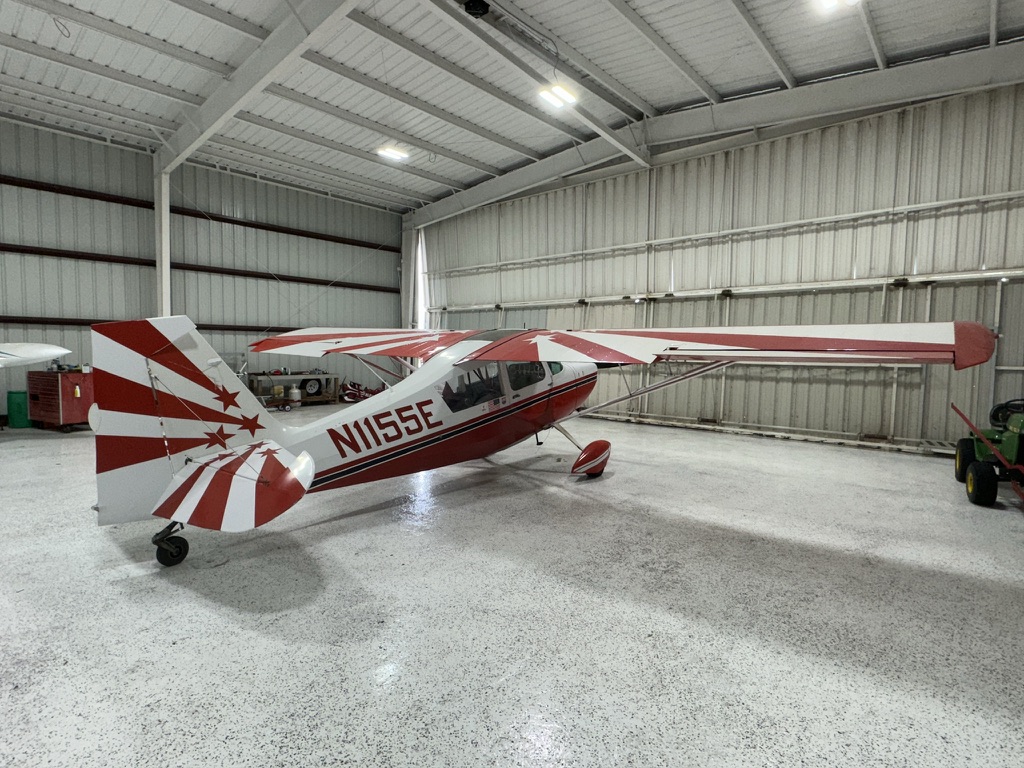
Spin training aircraft N5115X at Coast Aero Ventures

Multi-Engine Rating

Multi-Engine Training

Earn your Multi-Engine Rating and open the door to faster, more capable aircraft. We offer multi-engine training in a Cessna 310 through our partner flight school — giving you access to a classic twin with real-world performance and handling characteristics.

Multi-engine training covers asymmetric thrust management, engine-out procedures, systems operation, and the aerodynamic differences that come with flying a twin. It's an essential step for pilots pursuing commercial or airline careers.

Cessna 310 twin-engine aircraft
Engine-out procedures and emergency training
Essential for commercial and airline career tracks
Offered through our partner flight school
Inquire About Multi-Engine Training
Cessna 310 multi-engine training aircraft

The Process

What to Expect

From your first phone call to the moment you earn your wings — here's how it works.

01

Intro Call

Reach out by phone, text, or email. We'll talk through your goals, timeline, and budget and answer any questions you have — no pressure, just a conversation.

02

Discovery Flight

Experience flying firsthand. You'll take the controls with an instructor, see what our aircraft and training environment are like, and decide if it's right for you.

03

Training Plan

We build a personalized training schedule around your availability, goals, and learning pace. No rigid one-size-fits-all programs — your plan, your timeline.

04

Earn Your Certificate

Complete your ground and flight training, pass your written exam, and nail your checkride. Your FAA certificate arrives in the mail — and the skies are yours.

Common Questions

Frequently Asked Questions

Answers to the questions we hear most often from prospective students.

The FAA minimum is 40 flight hours, but the FAA national average is 55–65 hours — and that's across all schools nationwide. How quickly you finish depends largely on how often you fly. Students who fly 2–3 times per week typically earn their certificate in 4–6 months. Flying once a week often takes 10–14 months. Consistency is the single biggest factor in how fast you progress.

For the Private Pilot certificate, a realistic budget is $12,000–$15,000 depending on how many hours it takes you. The Sport Pilot typically runs $9,000–$11,000. These estimates include aircraft rental, instructor fees, exam fees, and study materials. We provide detailed cost breakdowns for each program — no hidden fees.

It depends on the certificate you're pursuing. For the Sport Pilot certificate, no FAA medical is required — a current, valid U.S. driver's license serves as your medical qualification. For the Private Pilot certificate, a 3rd Class FAA Medical is required, which is a straightforward exam with a local Aviation Medical Examiner (AME). We can help you locate an AME and understand what to expect.

There's no minimum age to begin flight training — you can start learning at any age. The FAA requires students to be at least 16 years old to fly solo in a powered aircraft (14 for gliders). You must be 17 to take the Private Pilot checkride, and 16 for Sport Pilot. There is no maximum age limit for any certificate.

Light Sport Aircraft combine several training advantages: lower operating costs (passing savings to students), modern glass-cockpit avionics that teach relevant technology, and excellent flight characteristics that build foundational skills. Our specific fleet adds the extraordinary safety of full airframe parachute systems — a ballistic recovery system that can deploy a parachute for the entire aircraft in an emergency. It's an extra layer of safety not found in most training aircraft.

In most cases, yes. Corrective lenses (glasses or contacts) are permitted for Sport and Private Pilot certificates — you'll just have a notation on your certificate. Many health conditions that might seem like disqualifiers are actually manageable through FAA Special Issuance processes or the BasicMed program. We encourage you to speak with an Aviation Medical Examiner early in the process. Don't assume you can't fly — check first.

Ready to Get Started?

The best way to find out if flying is for you is to actually fly. Book a discovery flight today.